

Indie founders constantly ask what tech stack successful products actually use. Generic lists of “best tools” are everywhere. What is rarer is data from real products that also show their stacks publicly and, in some cases, verified revenue.
On Shipfolio, products list the tools they run on. Here is what the current catalog shows, ranked by how many public products include each tool.
Most used tools by indie products
| Tool | Category | Products using it |
|---|---|---|
| Cloudflare | Hosting | 21 |
| Google Analytics | Analytics | 15 |
| Next.js | Frontend | 14 |
| ASP.NET Core | Backend | 9 |
| Stripe | Payments | 9 |
| Astro | Frontend | 8 |
| Docker | DevTools | 8 |
| Tailwind CSS | Frontend | 8 |
| Vercel | Hosting | 8 |
| Flutter | Frontend | 7 |
| PostgreSQL | Database | 7 |
| Redis | Database | 6 |
| SvelteKit | Frontend | 6 |
| Google Cloud Run | Hosting | 6 |
Cloudflare leads by a clear margin. Next.js and Vercel remain popular but are not the only path. A non-trivial number of products use ASP.NET Core, Flutter, Astro and self-hosted or Google Cloud options.
What products with verified revenue show
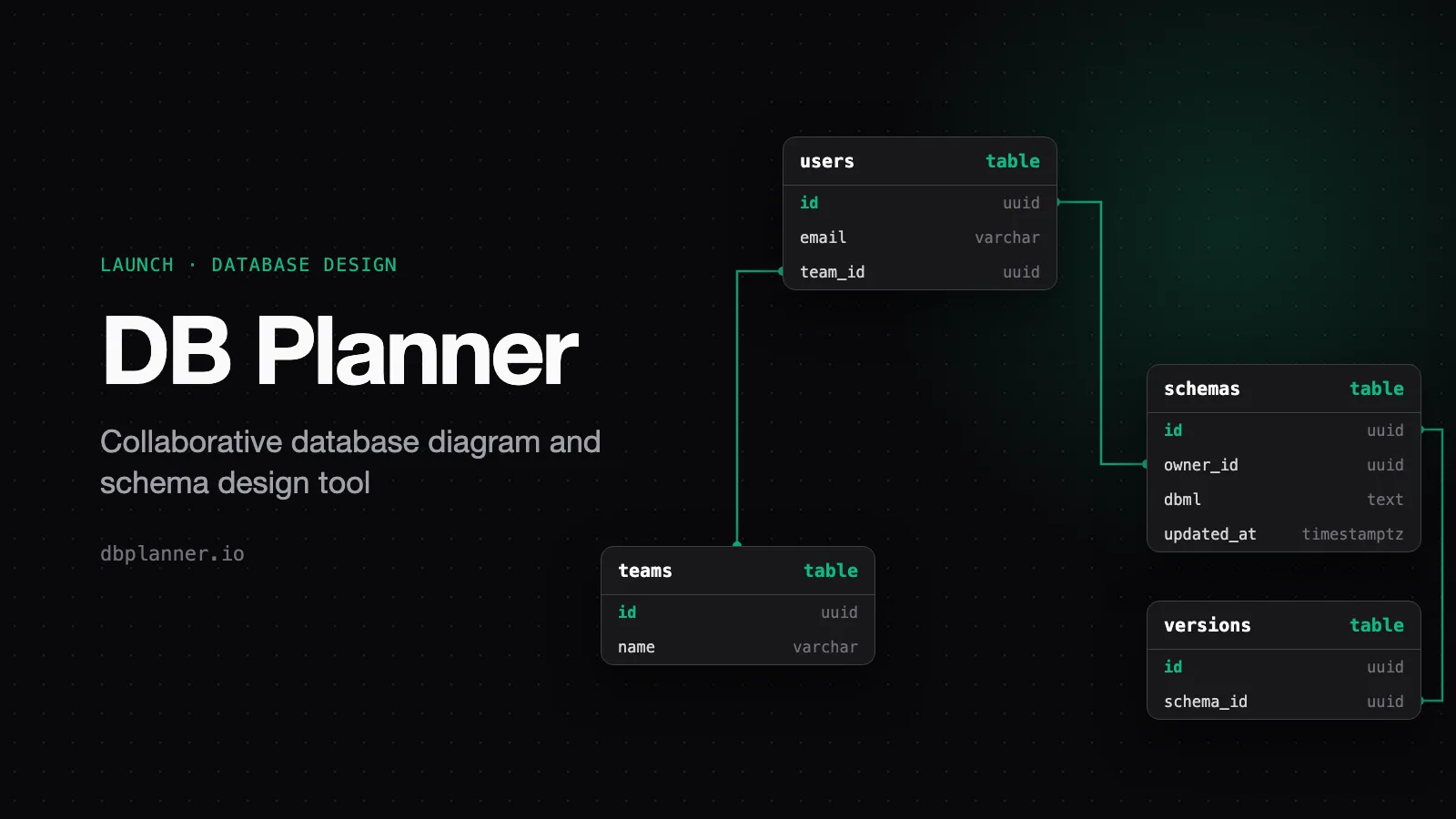
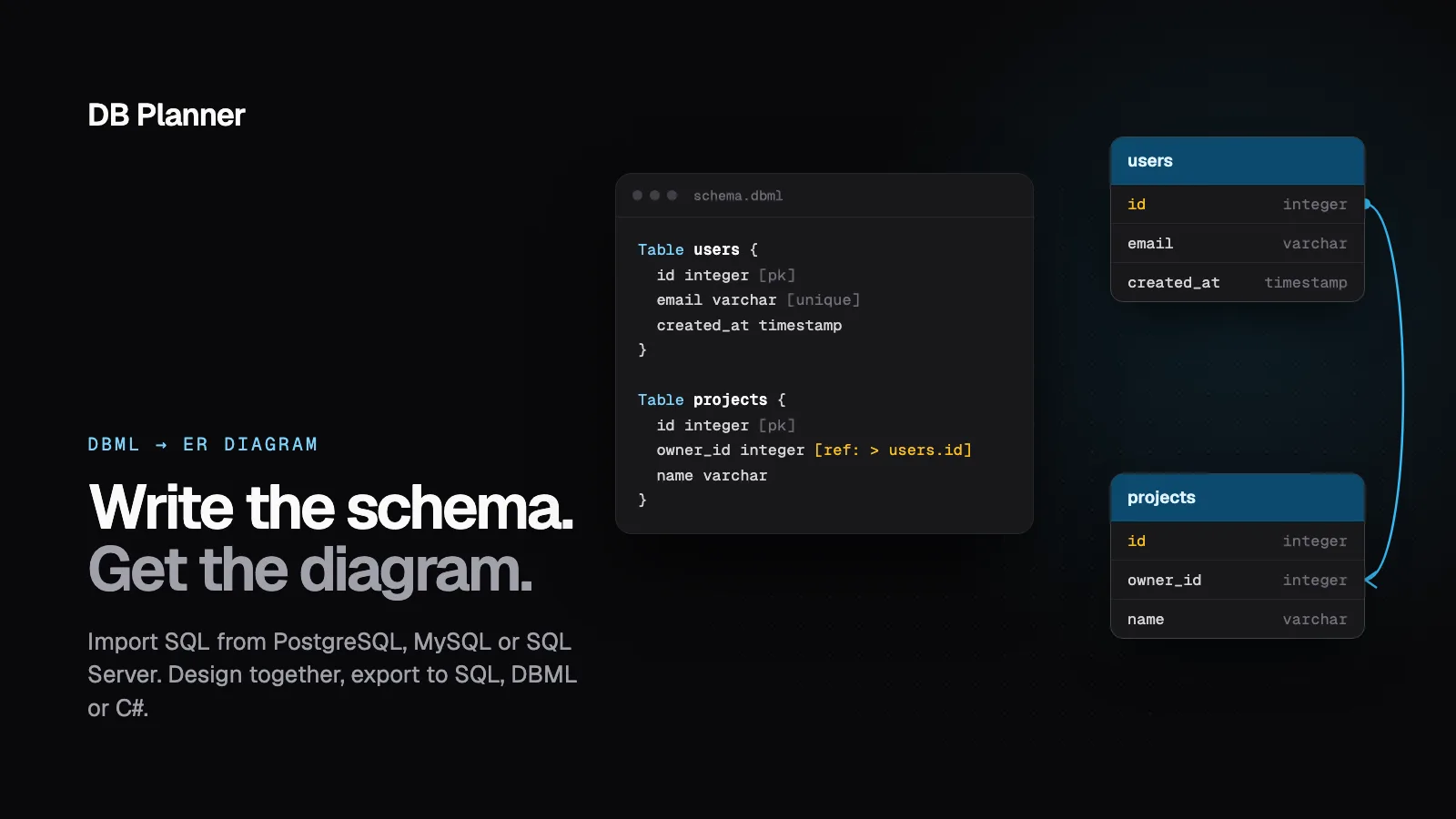
Shipfolio verifies revenue directly from Stripe, RevenueCat, App Store Connect or Google Play. Among products that have connected a provider, DB Planner currently shows $15/mo verified by Stripe and runs on Neon, ASP.NET Core and Entity Framework Core. Other verified (even if $0) products on the platform use mixes that include Google Cloud Run, Astro, SvelteKit, Flutter, Stripe and Neon.
The pattern is pragmatic: choose the stack that lets you ship and operate lean rather than the one with the most blog posts.
Common patterns worth noticing
- Hosting is split. Cloudflare is the most listed, with Vercel and Google Cloud Run also appearing often.
- Frontend is not Next.js-only. Astro, SvelteKit, Flutter and Tailwind appear repeatedly.
- Payments still center on Stripe for web SaaS, with RevenueCat and store billing for mobile.
- Databases frequently include PostgreSQL, Redis and Neon.
- Monitoring and developer tools (OpenTelemetry, Docker, GitHub Actions) show up once products move past the pure prototype stage.
How to use this data
- Look at products in your niche on Shipfolio and open their stacks.
- Compare the tools that products with verified revenue actually list versus the ones that only appear in tutorials.
- Prefer tools that appear in multiple stacks if you want community examples and migration paths.
- Connect your own stack and revenue so the next version of this data includes you.
The full tool pages on Shipfolio (for example Cloudflare, Next.js and Stripe) show which products use them and related alternatives.
Building in public with a visible stack and verified numbers makes the data more useful for everyone. List your product on Shipfolio to add yours.




Comments
No comments yet. Ask a question or add what worked for you.
Join the conversation. You'll hear when someone replies to you.
Sign in to comment